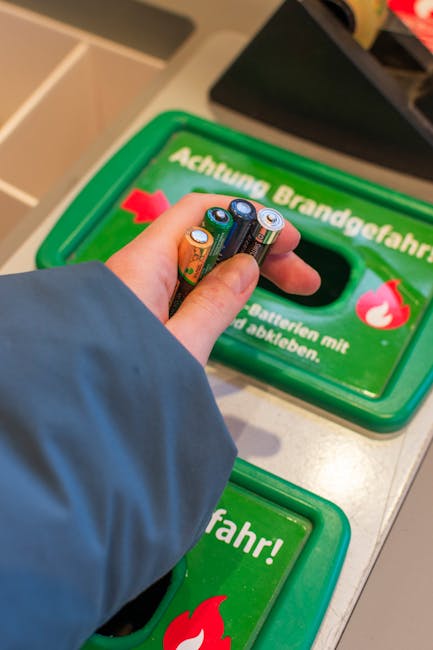
Disposing Hazardous Items in Bethnal Green: Council Rules
If you have ever stared at a half-empty tin of paint, an old battery, a cracked fluorescent tube or a bottle of something you would really rather not spill in the kitchen cupboard, you already know the feeling: this stuff is awkward. And in Bethnal Green, awkward can quickly become unsafe if it is mixed in with normal rubbish. Disposing hazardous items in Bethnal Green: council rules are there to keep people, collections crews and the local environment safer, but the process is not always as obvious as it should be.
In practice, the challenge is not just "where do I put it?" It is also "what counts as hazardous?", "what should I keep separate?", and "when do I need a specialist route instead of the usual bin?" This guide breaks the subject down in plain English so you can make the right call without overthinking it. You will find the rules explained, the common mistakes called out, and a practical step-by-step approach you can actually use at home or in a flat move.
For households and businesses alike, a little care at the sorting stage saves a lot of hassle later. It also fits neatly with broader local reuse and recycling habits, which is why many people looking at waste disposal also take a moment to review the company's recycling and sustainability approach before arranging anything bulky or mixed.
Table of Contents
- Why This Matters in Bethnal Green
- How Council Rules Usually Work
- Key Benefits and Practical Advantages
- Who Needs This and When It Makes Sense
- Step-by-Step Guidance
- Expert Tips for Better Results
- Common Mistakes to Avoid
- Tools, Resources and Recommendations
- Law, Compliance and Best Practice
- Options and Comparison Table
- Case Study or Real-World Example
- Practical Checklist
- Conclusion
- Frequently Asked Questions
Why Disposing Hazardous Items in Bethnal Green: Council Rules Matters
Hazardous items are different from ordinary household waste because they can leak, react, catch fire, injure someone or contaminate other materials. A small amount might not look dramatic. A battery in a drawer. A can of solvent in a shed. A broken thermometer in a box. But once these are thrown into general waste, the risk can spread beyond your own home.
That matters in a busy part of East London where waste is collected close to homes, shops, shared entrances and narrow access points. If a bag splits on a stairwell or in a vehicle, the issue becomes a lot bigger than one household problem. You want to keep collection crews safe, protect neighbours, and avoid spreading contamination into recycling streams. To be fair, no one wants to be the person who caused a smoky surprise in the back of a refuse lorry.
There is also a practical side. When hazardous waste is sorted properly, it is easier to decide whether it needs special handling, a separate collection method, or simply a safe drop-off route. That is especially useful during moves, clearances and end-of-tenancy clean-ups, when a pile of mixed items can look harmless until you start opening boxes. If you are in the middle of a wider move, it can help to pair careful waste sorting with a service such as home moves or flat removals so the non-hazardous belongings are handled separately and tidily.
Expert summary: the safest approach is simple: identify the item, keep it separate, never assume it belongs in general rubbish, and use a disposal route that matches the risk. That one habit avoids most problems.
How Disposing Hazardous Items in Bethnal Green: Council Rules Works
Local council rules typically follow a straightforward principle: hazardous materials should not go into normal domestic waste unless the council specifically says they can. The exact handling method depends on the item type, condition, and quantity. In real life, that means you first decide what the item is, then check whether it falls into a higher-risk category, and finally choose the correct disposal route.
Here is the common logic in plain terms:
- Identify the item. Look at the label, container, or original packaging if you still have it.
- Separate it from ordinary rubbish. Keep it away from food waste, cardboard, soft plastics, and general black-bag waste.
- Check whether it is hazardous, sharp, corrosive, flammable, toxic, or electronically risky.
- Reduce the risk before moving it. Keep lids on, tape loose battery terminals if appropriate, and place broken pieces in a rigid container.
- Use the correct local disposal route. That may mean a council collection option, a designated facility, or a specialist removal solution for larger quantities.
The key thing people often miss is that "hazardous" is not just a technical word for industrial sites. In a home, it can include everyday items like bleach, aerosols, garden chemicals, paint thinners, old batteries, and certain electricals. Some items are only hazardous because they are damaged. A cracked container or leaking bottle changes the whole picture.
If the waste is part of a larger house clearance, the safest workflow is to isolate the risk items first and then arrange the rest through a normal removal route, such as removal services or man and van, depending on volume. That keeps the hazardous side of the job from getting mixed into general handling.
Key Benefits and Practical Advantages
Doing this properly is not just about compliance. It actually makes life easier.
- Safer storage before collection: you reduce the chance of leaks, fumes or accidental contact while the item is waiting to be taken away.
- Less contamination: recyclable material stays cleaner when it is not mixed with batteries, chemicals or broken glass.
- Fewer collection problems: crews can handle sorted waste more confidently and with less risk of refusal.
- Lower stress during moves: when you know what must be isolated, packing and sorting becomes calmer. A bit less "where on earth did this come from?" and a bit more control.
- Better use of space: separate hazardous items are easier to store safely in a cupboard, box or container until disposal day.
There is also an environmental benefit that is easy to underestimate. Proper disposal can keep chemicals out of drains, soil and mixed waste. That is not a tiny detail. Once contaminated, a whole batch of otherwise useful material can become much harder to process.
For landlords, flat-share tenants and local businesses, there is a reputation angle too. Good waste handling signals care, especially in shared buildings where bins are communal and mistakes are noticed quickly. A neat, sensible process tends to pay for itself in fewer complaints and fewer odd surprises later on.
Who This Is For and When It Makes Sense
This topic is relevant to more people than you might think. It is not only for people dealing with obvious dangerous waste. In Bethnal Green, the most common situations include:
- people clearing out a kitchen or shed before a move
- tenants finishing a lease and finding leftover paint, sprays or cleaning products
- small businesses handling old office batteries, toner cartridges or damaged electronics
- homeowners disposing of decorating leftovers after a renovation
- students and flat-sharers sorting through mixed household items in a tight space
- families dealing with one-off items like medications, broken thermometers or garden chemicals
It also makes sense any time you are unsure. That uncertainty is often the clue. If you are pausing and asking, "Can I really just throw this away?" the answer may be no, or at least "not without checking."
For larger clear-outs, especially where lots of furniture and packaging are involved, it can be useful to separate the disposal task from the removal task altogether. A planned move through furniture removals or house removals can handle the bulky safe items while you keep risky materials to one side for a more careful route.
Step-by-Step Guidance
If you want a practical way to deal with hazardous items without overcomplicating the job, use this sequence.
1. Gather everything in one place
Walk through the property and collect all questionable items into one clearly marked area. Use a table, a floor corner, or a sturdy box. Do not leave them scattered around the house. Even one forgotten aerosol can in a hot cupboard can become a nuisance.
2. Sort by type
Group items into simple categories: batteries, paints, chemicals, aerosols, broken glass, sharp objects, electrical items, and medicines. You do not need to become a chemist. Just avoid mixing everything into one mystery pile.
3. Check labels and condition
Read the label if it is still legible. Look for signs like flammable, corrosive, toxic, or irritant. If the item is leaking, bulging, cracked or rusted, handle it more cautiously and avoid touching the contents directly.
4. Make the item safer to move
Keep containers upright. Close lids tightly. Put smaller items inside a rigid outer box if needed. For sharp waste, use thick cardboard or a puncture-resistant container. If a battery is loose, keep it from touching metal objects. Simple stuff, but it matters.
5. Decide the disposal route
Some items may be suitable for a council collection or a designated local drop-off process. Others may need to be handled through a specialist disposal or licensed waste route. If you are dealing with mixed household items and waste during a move, use a wider plan so the hazardous pieces are isolated before any loading begins.
6. Keep records if the waste is business-related
For commercial premises, note what was removed, how much, and how it was handed over. Even a basic internal log is useful. It helps with accountability and avoids the awkward "who left this here?" conversation later. Not fun. Rarely fun.
7. Confirm the area is left clean and dry
Once the hazardous item is gone, wipe down any surface that may have been contaminated. Check under shelves, in cupboard corners, and around bin stores. A quick final look in daylight can save you a headache the next morning.
Expert Tips for Better Results
There are a few small habits that make hazardous disposal much easier.
- Do the sort before the deadline pressure starts. The night before a move is the worst time to discover a half-used can of solvent. Ask me how that feels.
- Use clear labels. "Hazardous - do not mix" works far better than a vague note on the side of a box.
- Keep incompatible items apart. Do not stack liquids above absorbent materials, and do not place batteries next to loose metals.
- Avoid overfilling boxes. Heavy or unstable boxes tip more easily, especially on stairs in older Bethnal Green buildings.
- Separate what can be reused from what must be disposed of. Some electrical items, furniture and fittings may have a second life if they are safe and in usable condition.
A small but useful observation: most people think the job becomes easier if they move fast. In reality, it becomes easier when they slow down just a touch. Ten extra minutes of sorting can save an hour of confusion later. That is especially true when you are packing around other tasks, so a service like packing and boxes can help keep non-hazardous items organised while you focus on the awkward stuff separately.
And yes, it is entirely normal to find one random item that you have absolutely no memory of buying. We have all been there.
Common Mistakes to Avoid
Most disposal problems come from a handful of predictable mistakes.
- Putting hazardous items in general waste. This is the big one. It may seem convenient, but it creates risk immediately.
- Mixing chemicals together. Even "ordinary" household products can react badly if combined.
- Leaving batteries loose in a bag or drawer. Terminal contact with metal can cause heat or damage.
- Trying to break items down without protection. Broken glass, old bulbs and brittle plastic can cut unexpectedly.
- Assuming an item is harmless because it is small. Small does not always mean safe.
- Storing leaking containers near heat or sunlight. This is asking for trouble, especially in a warm room or loft.
Another common slip is leaving the hazardous item until the end of the move, when your focus has already shifted to keys, cleaning, deposit forms and the last box of chargers. That is when mistakes happen. Better to deal with it early, while you still have your head on straight.
Tools, Resources and Recommendations
You do not need specialist equipment for every situation, but a few simple tools make a difference:
- strong gloves for handling dirty or sharp waste
- sturdy boxes with lids for temporary storage
- clear tape for securing loose battery terminals where appropriate
- labels or marker pens for item identification
- old towels or absorbent material for minor leaks, kept separate from clean goods
- torch or phone light for checking under shelves and behind appliances
It is also worth thinking about the wider move or clearance. If you are clearing an entire property, the hazardous items are only one part of the picture. Safe rubbish, furniture and general belongings need a separate route, and often the simplest option is to combine removal planning with removal van support or a more flexible man with a van arrangement for smaller loads.
If the job is business-related or slightly more complex, using a reputable provider with clear policies is a sensible move. Pages such as health and safety policy, insurance and safety, and terms and conditions can be helpful when you are checking how a company approaches risk, handling and responsibility.
Law, Compliance, Standards, or Best Practice
Hazardous waste handling in the UK is shaped by general duty-of-care principles and by the specific classification of the item. You do not need to become a legal specialist, but you do need to respect the basic rule: waste should be stored, transferred and disposed of in a way that avoids harm and prevents pollution.
For households, the practical standard is straightforward. Keep hazardous waste separate, follow local collection guidance where available, and do not guess if you are uncertain. For businesses, the expectations are tighter. Waste records, secure storage and proper transfer arrangements matter more, and it is wise to be more formal about what goes out and where it goes.
Best practice usually means:
- correct identification before disposal
- safe temporary storage away from children, pets and heat
- no mixing of incompatible substances
- no concealment of hazardous items inside normal rubbish bags
- careful handover to an appropriate disposal route
In a local setting like Bethnal Green, that practical discipline is often more useful than trying to memorise every rule word-for-word. If an item feels risky, treat it as risky until you know otherwise. That is the safe side of sensible.
Options and Comparison Table
Different situations call for different disposal methods. Here is a simple way to compare them.
| Method | Best for | Pros | Watch-outs |
|---|---|---|---|
| Separate household sorting | Small quantities of batteries, sprays, paint tins, and minor hazardous leftovers | Low cost, easy to prepare, keeps risks contained | Requires patience and careful storage |
| Council-style collection or local disposal route | Items accepted through approved local channels | Convenient when available, avoids guesswork | May need advance checking and proper item preparation |
| Specialist waste handling | Damaged, leaking, larger-volume, or mixed hazardous items | Safer for difficult material, reduces handling risk | Usually less convenient and may involve extra cost |
| Combined removal with segregation | Moves, clear-outs, and full property emptying | Efficient when regular items and hazardous items need different handling | Requires clear instructions and careful separation on the day |
If you are already arranging a broader clearance, a combined approach is often the cleanest. Safe items go with the general load, while anything questionable is kept apart. That is one of those unglamorous little systems that makes the whole day go smoother.
Case Study or Real-World Example
A typical Bethnal Green scenario goes like this. A tenant is moving out of a two-bedroom flat after years of decorating, DIY and general life accumulation. In the kitchen cupboard: half a tin of paint, a couple of aerosols, an old pack of batteries, a broken bulb and a bottle of strong cleaner. Nothing dramatic on its own, but together it is enough to slow down the move.
At first, everything is boxed together because it looks easier. Then someone notices the cleaner label and realises the box is a bad idea. So the items are split out: paint and sprays kept upright, batteries moved into a separate container, the bulb wrapped carefully, and the cleaner stored away from other materials. The rest of the household contents go through the normal moving plan, while the hazardous items are handled separately. The process takes a bit longer at the start, but the end of the move is calmer, cleaner and less stressful.
That is usually the pattern. A little extra care early on prevents the ugly scramble at the last minute. And honestly, the last-minute scramble is usually where the bad decisions live.
Practical Checklist
Use this quick checklist before you dispose of anything hazardous:
- Have I identified exactly what the item is?
- Is it leaking, damaged, cracked or corroded?
- Have I kept it away from general rubbish and recycling?
- Is it stored upright and in a stable container?
- Have I avoided mixing it with other chemicals or waste streams?
- Do I know the correct disposal route for this type of item?
- Have I protected the surrounding area from spills or sharp edges?
- If this is a move, have I separated it from the main load?
- Do I need gloves, tape, a rigid box or absorbent material?
- For business waste, have I noted what is being removed?
If you can tick most of those boxes, you are already ahead of the curve.
Conclusion
Disposing hazardous items in Bethnal Green: council rules are really about one simple idea: keep risky materials out of the ordinary waste stream and handle them with a bit of care. Once you identify the item, separate it, and choose the right disposal route, the process stops feeling mysterious. It becomes manageable.
Whether you are clearing a flat, finishing a house move, tidying a commercial space or just getting rid of a few awkward leftovers, the safest approach is steady and organised. Do the sort early, keep a close eye on labels, and never assume an item belongs in a normal bag just because it is small. That mindset saves time, protects people and keeps the job from getting messy in the wrong way.
Get a free quote today and see how much you can save.
And if you are in the middle of a bigger local move or clearance, choosing a careful, well-planned service can make the whole day feel far less heavy. Sometimes that is all you need: a clean plan, a calm pace, and one less worry on your plate.
Frequently Asked Questions
What counts as a hazardous item in a home?
Common examples include batteries, aerosols, paint, solvents, bleach, garden chemicals, fluorescent bulbs, damaged electronics and some medicines. If it can leak, burn, react or injure someone, treat it carefully until you know more.
Can I put hazardous waste in my normal black bin?
Usually, no. That is one of the most common mistakes. Hazardous waste should be kept separate unless you are specifically told it can go in ordinary waste.
How should I store hazardous items before disposal?
Keep them upright, dry, away from children and pets, and separate from food or soft furnishings. A rigid box or tray is often safer than a loose bag, especially for leaking or fragile items.
What should I do with old batteries?
Store them separately and keep them away from loose metal objects. Do not throw them into general rubbish. If you are unsure how to group them, keep them in a small container until you can arrange the right disposal route.
Are paint tins always hazardous?
Not always in the same way, but they often need separate handling. The condition, contents and quantity matter. A nearly empty, dry tin is different from a half-full tin of solvent-based paint.
What if a hazardous item is leaking?
Do not move it around unnecessarily. Keep it stable, avoid direct contact with the contents, and isolate it from everything else. If the leak is significant, use extra caution and choose a safer route rather than trying to improvise.
Do businesses need to keep records of hazardous waste?
Yes, good record-keeping is strongly recommended for business waste. Even a simple internal note about what was removed and when can help with accountability and compliance.
Can hazardous items be collected with furniture removals?
They should not be mixed into the same handling load as ordinary furniture. If you are arranging a move, keep hazardous items separate from the main furniture removal so there is no confusion on the day.
What is the safest way to deal with broken bulbs or glass?
Wrap them carefully, place them in a rigid container, and keep them separate from recycling and general rubbish until you know the correct route. Broken glass is one of those items that looks simple until it cuts someone.
How do I know if I need a specialist disposal route?
If the item is large, leaking, strongly chemical, damaged, or you have a lot of it, a specialist route is usually safer. When in doubt, treat uncertainty as a signal to slow down and check.
Is it worth separating hazardous items before a house move?
Absolutely. It saves time, avoids accidental spills, and makes the rest of the move cleaner. It also helps the removal plan run more smoothly, which is a blessing when the day is already busy enough.
What is the biggest mistake people make?
Mixing hazardous waste with ordinary household waste. It seems small at the time, but it creates the biggest safety and contamination risk. Separate first, sort second, dispose third.