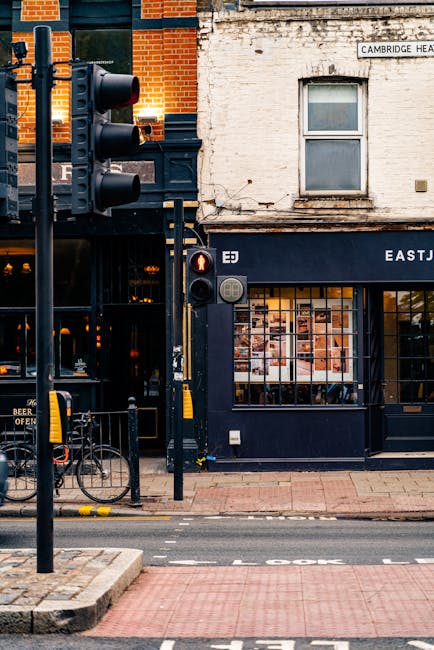
How to Move From Cambridge Heath Road Without Hassle: A Practical Local Guide
Moving on or near Cambridge Heath Road can feel straightforward on paper, then suddenly turn into a day full of boxes, awkward stairwells, parking questions, and that one drawer you meant to sort out last week. If you want How to Move From Cambridge Heath Road Without Hassle, the real answer is simple: plan the route, pack with purpose, and use the right help for the parts that are heavy, awkward, or time-sensitive.
This guide walks you through the process in a calm, practical way. You will find what matters most, how the move actually works, where the usual snags appear, and how to keep the whole thing manageable from start to finish. We will also cover the kind of local details that people often forget until the van is outside and the kettle is already in the box. Truth be told, that is when the stress starts.
If you are moving a flat, a family home, student accommodation, or a small office nearby, the same principle applies: reduce friction before moving day. A bit of structure goes a long way.
Table of Contents
- Why this kind of move matters
- How the moving process works
- Key benefits and practical advantages
- Who this is for and when it makes sense
- Step-by-step guidance
- Expert tips for better results
- Common mistakes to avoid
- Tools, resources and recommendations
- Law, compliance, standards, and best practice
- Options and comparison table
- Case study or real-world example
- Practical checklist
- Conclusion
- Frequently asked questions
Why How to Move From Cambridge Heath Road Without Hassle Matters
Moving from Cambridge Heath Road is not just about getting possessions from A to B. It is about doing it without creating avoidable problems for yourself, your neighbours, or your schedule. In a busy London setting, the margin for error is smaller than people expect. Parking can be tight. Access can be narrow. Lifts may be shared. And if your move-day timing slips by even an hour, the whole chain can wobble a bit.
That is why a hassle-free move is really a coordination exercise. You are balancing packing, access, transport, safety, and timing at once. When those parts work together, the move feels controlled. When they do not, even a small flat move can feel oddly chaotic.
There is also a financial side to it. Poor planning can mean extra trips, damaged furniture, rushed packing, or storage you did not expect to need. If you are moving locally, the right preparation can often save more stress than money, though it usually helps with both. To be fair, that is what most people want anyway.
For many households, the smartest starting point is decluttering early. If you are not sure where to begin, this guide to decluttering before a big move is a solid place to start. Less clutter means fewer boxes, cleaner loading, and a much easier unpacking process.
How How to Move From Cambridge Heath Road Without Hassle Works
The move itself usually follows a simple pattern, but each stage needs attention. First, you decide what is going, what is staying, and what needs special handling. Then you pack in a way that protects the items and makes loading sensible. After that, you organise access, lift assistance, and transport so the day runs in a clean sequence.
That sequence matters more than people think. If the van arrives before the boxes are ready, time gets wasted. If the boxes are ready but the hallway is blocked by loose items, loading becomes messy. If the large items are not measured beforehand, you may find the sofa will not quite turn that final corner. There is always one corner, isn't there?
In practical terms, a smooth move from Cambridge Heath Road usually depends on four things:
- Pre-move organisation so you know what is being moved and how it is packed.
- Access planning so stairs, lifts, parking, and doorway widths are not left to chance.
- Item protection so fragile or bulky belongings are wrapped properly.
- Transport and lifting support so the physical work is handled safely and efficiently.
For larger or more awkward jobs, professional support can make a noticeable difference. A local man with a van service in Bethnal Green is often a practical middle ground: flexible enough for smaller moves, yet capable of handling furniture, boxed items, and same-day changes when needed.
Key Benefits and Practical Advantages
A well-managed move does more than reduce stress on the day. It creates a chain of small wins that make everything else easier. Less panic. Less damage. Less waiting around. Less "where did I put that charger?" at 10 p.m.
Here are the main benefits people usually notice:
- Faster loading and unloading because items are grouped logically.
- Lower risk of damage because furniture and fragile pieces are protected properly.
- Better time control because the schedule is planned around access and transport.
- Less physical strain because heavy items are handled with suitable equipment or support.
- Easier unpacking because each box is labelled and each room is accounted for.
There is also a mental benefit that is easy to underestimate. When you know where things are going, what needs to happen first, and who is doing what, your brain stops constantly running the move in the background. That is a relief in itself.
If you are moving a property with lots of boxed items, it helps to think in systems rather than individual objects. A useful read for that is top tips for organising your belongings before moving. It covers the kind of practical order that makes the final hour far calmer.
Who This Is For and When It Makes Sense
This approach makes sense for anyone who wants a move to feel controlled rather than improvised. But it is especially useful if you are in one of these situations:
- You are moving from a flat with stairs or limited lift access.
- You have furniture that is heavy, oversized, or awkward to turn.
- You are moving on a tight timeline and need the day to stay efficient.
- You are a student or tenant with a specific handover deadline.
- You are moving an office or work setup and need to protect equipment.
- You want to avoid hiring more help than you need, but still want support.
It also suits people who simply do not want a full-scale upheaval. Not every move needs a large removals team and a long vehicle list. Sometimes a smaller, more agile service is the better fit. For that kind of decision, the information on removal services in Bethnal Green can help you compare what is available and choose the right level of support.
If your move includes a flat, especially in a block with shared access or tighter stairwells, you may also want to look at flat removals in Bethnal Green. Those moves often benefit from a more precise plan than a standard house move.
Step-by-Step Guidance
If you want the short version: prepare early, pack by category, protect fragile items, and keep the move path clear. But let's look at the actual steps in a more useful way.
1. Start with a realistic declutter
Go room by room and separate items into keep, donate, recycle, or dispose. The aim is not perfection. It is momentum. Once you begin, the decision-making gets easier. A lot of people find that half the battle is just getting started.
Be especially honest about duplicates, broken items, and things you have not used in ages. If something is technically useful but you would never put it back into your new place, it probably should not travel with you.
2. Measure large items and access points
Before moving day, measure sofas, beds, wardrobes, desks, and any other bulky items. Then check doorways, hallways, stair turns, and lift sizes. This is one of those jobs that feels slightly tedious right up until it saves you a major headache.
If a bed frame, mattress, or sofa is part of the move, use item-specific guidance rather than guessing. For instance, this bed and mattress moving guide is helpful if you want to avoid bent slats, torn fabric, or a tired back by mid-morning.
3. Pack by room and by priority
Use a simple system. Label boxes with the room name and a brief list of contents. Keep essentials in a separate bag or box that travels with you personally. That bag should include documents, chargers, medication, toiletries, keys, snacks, and a change of clothes if needed.
For a busy move, strong packing habits make a bigger difference than expensive materials alone. The right boxes matter, yes, but so does good labelling. If you want a local breakdown, packing and boxes in Bethnal Green is worth a look.
4. Prepare appliances and furniture properly
Fridges and freezers need special attention. They should be emptied, cleaned, and handled so they are safe to transport and store. If your freezer is going idle for a while, read how to store a freezer safely when idle. That sort of preparation prevents unpleasant smells, moisture issues, and avoidable damage later.
Soft furnishings need protection too. A sofa left uncovered in a damp passage or wet loading bay is asking for trouble. The practical advice in how to preserve your couch for safe keeping can save you from a very annoying clean-up.
5. Handle heavy lifting with care
Heavy lifting is where many DIY moves go wrong. People twist, rush, or try to carry too much at once. That is when backs complain. Sometimes loudly.
Use gloves, proper posture, and a clear route. Better still, do not lift alone if the item is substantial or oddly shaped. You can read more about safe handling in strategies for lifting heavy loads safely. It is a useful reminder that technique matters just as much as strength.
6. Clean and finalise before handing over the keys
Once the last box is out, clean the property properly. This helps with handover and reduces the chance of last-minute disputes with landlords or buyers. A solid pre-move cleaning checklist is especially helpful if you want to avoid that awkward return trip for forgotten grime behind the oven.
And yes, there is usually one tiny thing left behind. A sock. A cable. A spoon. It happens.
Expert Tips for Better Results
Here is where a little experience goes a long way. These tips are simple, but they save time in a real move.
- Pack an essentials box early. Do not leave this until the evening before. Put it aside as soon as you can.
- Label the sides of boxes, not just the top. It makes stacking and quick identification much easier.
- Keep screws and fittings taped to the item they belong to. Bag them properly and label them clearly.
- Use blankets or covers for furniture edges. Corners suffer first in a move.
- Protect floors and walls where possible. Especially in shared buildings where scuffs matter.
- Leave a clear path from the front door to the van. It sounds obvious, but people forget.
A small practical point: if you are moving in winter or on a wet day, box handles and wet pavement become annoying very quickly. A few spare cloths, a roll of tape, and some bin bags can make the day feel much less fragile.
If your move is time-sensitive, you may also want to consider local same-day support. For those moments when plans change fast, same-day removals in Bethnal Green can be a useful option to know about, even if you do not end up needing it.
Common Mistakes to Avoid
Most moving problems are not dramatic. They are just the result of a few avoidable mistakes stacking up. The good news? They are easy to recognise once you know what to watch for.
- Underestimating time. Packing always takes longer than it looks on paper.
- Leaving fragile items loose. They need cushioning, separation, and a clearly marked box.
- Ignoring building access. Lift bookings, parking restrictions, or entry codes can slow everything down.
- Overfilling boxes. Heavy boxes break, and your back will not thank you.
- Forgetting appliance prep. Fridges, washing machines, and freezers need proper handling.
- Not confirming insurance or safety arrangements. Always ask what is covered and how items are handled.
One other mistake is moving things that should probably be stored first. If you have a gap between addresses, or you are downsizing, a short-term storage plan can keep the move cleaner. Storage in Bethnal Green is a practical answer when timing does not line up perfectly.
And if you are tempted to do every lifting job yourself, think twice. The issue is not only weight. It is shape, balance, grip, and the space you have to move in. That is why some items really do belong with the professionals.
Tools, Resources and Recommendations
You do not need a van full of gadgets, but a few simple tools make a noticeable difference. Think of them as the quiet helpers of the move.
- Sturdy cardboard boxes for general packing
- Wardrobe boxes for hanging clothes
- Packing tape and tape gun for secure sealing
- Bubble wrap, paper, or furniture blankets for protection
- Marker pens and labels for clear identification
- Dolly or trolley for heavier items
- Gloves for grip and hand protection
For more specialised items, use specialist support rather than improvising. Pianos, for example, are a classic case where experience matters. If you have one, this guide to professional piano relocation explains why that job is better handled with care and the right equipment.
If you are comparing providers, it helps to look beyond just the headline price. Review the service scope, handling process, and support options. You can also read more about the available moving services and the general standards behind removal companies in Bethnal Green. That makes it easier to choose based on value, not just the lowest quote.
Law, Compliance, Standards, and Best Practice
For a local move, the main compliance issues are usually practical rather than dramatic. Still, they matter. You should follow building rules, respect parking restrictions, and make sure your chosen mover operates responsibly. In London, that often means planning around access, timing, and any local parking or loading limitations that apply to your street or building.
It is also sensible to ask about insurance, item handling, and liability before anything is loaded. Reputable movers should be able to explain how they manage breakage risk, vehicle safety, and customer property. If something sounds vague, ask again. Better a slightly awkward question now than a damaged table later.
For more on general standards and responsible handling, you may find these pages useful:
- Insurance and safety information
- Health and safety policy
- Terms and conditions
- Payment and security details
Best practice also means being honest about what you need. If you need help with only a few bulky items, say so. If you need full packing support, say that too. A clear brief makes the move more efficient and helps avoid misunderstandings. Simple, really.
Options, Methods, or Comparison Table
There are a few ways to handle a move from Cambridge Heath Road. The right option depends on your property size, your time, and how much lifting you want to do yourself.
| Option | Best for | Pros | Trade-offs |
|---|---|---|---|
| DIY move | Very small loads, short distances, low-budget situations | Maximum control, low upfront cost | More physical work, more time, higher risk of damage or delays |
| Man and van | Flats, partial moves, furniture transport, flexible schedules | Balanced cost and convenience, useful for local jobs | May need good planning for larger or fragile items |
| Full removals service | Large homes, family moves, complex access, full packing needs | Most support, least stress, better for complicated moves | Usually the highest-cost option |
| Storage plus move | Downsizing, staggered dates, temporary gaps between homes | Flexibility, protects your timeline | Extra coordination, possible storage costs |
If you are unsure which route is right, the simplest test is this: what will cause you the least strain without wasting money? For many local moves, a van-based service is the sweet spot. For others, especially where heavy furniture or a full household is involved, a larger service makes more sense. There is no prize for making it harder than it needs to be.
Case Study or Real-World Example
Imagine a couple moving from a second-floor flat on Cambridge Heath Road to a nearby house with slightly easier access. They have a sofa, a bed frame, a mattress, two bookcases, kitchen items, and about thirty boxes. Nothing outrageous. But there are narrow stairs, one awkward landing turn, and a loading window before work starts on the road nearby.
They begin by sorting items a week ahead. Clothes are packed by season, books are boxed tightly but not overfilled, and the sofa is wrapped before the move day so it is not brushed against stair railings. The freezer is emptied in advance, and anything not immediately needed is put into short-term storage. One person is assigned to key documents, another to labelling, and the van is booked for a realistic time slot rather than a rushed guess.
The result? Less stopping, fewer "wait, where is the tape?" moments, and a shorter loading process. The biggest difference was not speed alone. It was the lack of friction. That is the bit people remember afterwards.
In jobs like that, using a service such as furniture removals in Bethnal Green can be the difference between an exhausting day and a pretty orderly one. And if the move is part of a wider house move, house removals in Bethnal Green may be the better fit.
Practical Checklist
Use this checklist as your final sanity check before moving day. It is not fancy, but it works.
- Sort belongings into keep, donate, recycle, or discard.
- Book your mover or van once dates are confirmed.
- Measure large furniture and doorways.
- Pack an essentials box for the first night.
- Label all boxes clearly by room and contents.
- Wrap fragile items with enough cushioning.
- Disassemble furniture where needed and bag fittings safely.
- Empty, defrost, and clean appliances that need it.
- Check parking, access, lift availability, and building rules.
- Protect floors, corners, and walls during loading.
- Keep documents, keys, and valuables with you.
- Do a final sweep of cupboards, lofts, and under beds.
Expert summary: The easiest way to move from Cambridge Heath Road without hassle is to reduce decisions on the day. Pack early, measure carefully, protect the awkward items, and choose a transport option that matches the size and shape of your move.
Get a free quote today and see how much you can save.
Conclusion
Moving from Cambridge Heath Road does not have to feel like a scramble. When you break it into clear stages, the whole thing becomes much more manageable: declutter first, pack in an organised way, prepare the property, and choose the right level of moving support. That is the real path to a smooth day.
The people who have the calmest moves are rarely the ones with the least to transport. They are the ones who plan the simplest route through the chaos. A little preparation, a realistic schedule, and the right help for the heavy bits can make all the difference. And honestly, it is a nice feeling when the van pulls away and you realise the day went better than expected.
If you want the move to feel easier from the outset, explore the local services, read the practical guides, and choose the support that fits your actual situation. Small decisions, made early, save a lot of noise later. That is usually the whole game.
Frequently Asked Questions
What is the easiest way to move from Cambridge Heath Road without stress?
The easiest way is to plan early, declutter before packing, label everything clearly, and book the right moving support for your property size. Small local moves often go smoothly when the access details are checked in advance.
Do I need a full removals service for a local move?
Not always. If you are moving a smaller flat or only a few bulky items, a man and van style service may be enough. For larger households or complex access, a fuller removals service can be more practical.
How far in advance should I start packing?
Ideally, begin with non-essential items one to two weeks ahead if you can. Start with storage items, books, and seasonal belongings, then leave daily essentials for last. That keeps the move from turning into a late-night packing marathon.
What items need special handling during a move?
Fragile items, glass, electronics, pianos, mattresses, sofas, and appliances all need extra care. Large or awkward furniture should be measured and protected before loading. Some items may also need specialist lifting support.
Can I move a freezer or fridge straight away?
It depends on the appliance and its condition, but it should be emptied, cleaned, and prepared properly before transport or storage. If the appliance will be idle for a while, it is worth following safe storage guidance before and after the move.
How do I avoid damage to furniture on moving day?
Use covers, blankets, and proper wrapping for corners and surfaces. Disassemble what you can, secure loose parts, and keep walkways clear. A lot of damage happens during turns, doorways, and loading, so careful handling matters more than speed.
What should go in my essentials box?
Put in keys, ID, phone chargers, toiletries, medication, snacks, tea or coffee, toilet paper, a basic toolkit, and one change of clothes. The idea is to cover your first 24 hours without rummaging through thirty boxes at midnight.
How can I make loading and unloading quicker?
Label boxes by room, group similar items together, and keep hallways and doorways clear. If possible, park as close as safely allowed and stack boxes by priority. Small organisational choices can shave a surprising amount of time off the day.
Is storage a good idea if my move dates do not line up?
Yes, storage can be a very sensible option if there is a gap between moving out and moving in. It helps avoid rushed decisions and keeps furniture safe while you sort out the timing.
How do I choose between DIY moving and hiring help?
Think about the size of the load, the access at both properties, and how much lifting you want to do. DIY may suit very small moves, but if you have heavy furniture, stairs, or a time limit, hiring help is usually worth it.
What should I check before booking a mover?
Check what the service includes, whether insurance and safety arrangements are explained clearly, how payment works, and whether the mover understands your access requirements. A good provider should be able to answer these questions without fuss.
Is same-day moving ever realistic?
Yes, in some cases. If the move is small, local, and flexible, same-day support can work. It is best used when the load is manageable and the access is straightforward, not when the move already has several complications.